
Interest rates will eventually start to climb. When rates rise your affordability dwindles. This can hurt both buyers and sellers.
In fact, rising interest rates can make the difference between locking in the home of your dreams TODAY or being locked out tomorrow.
Take for instance this example here:
A $1,000 monthly principal and interest payment finances less and less as rates rise.
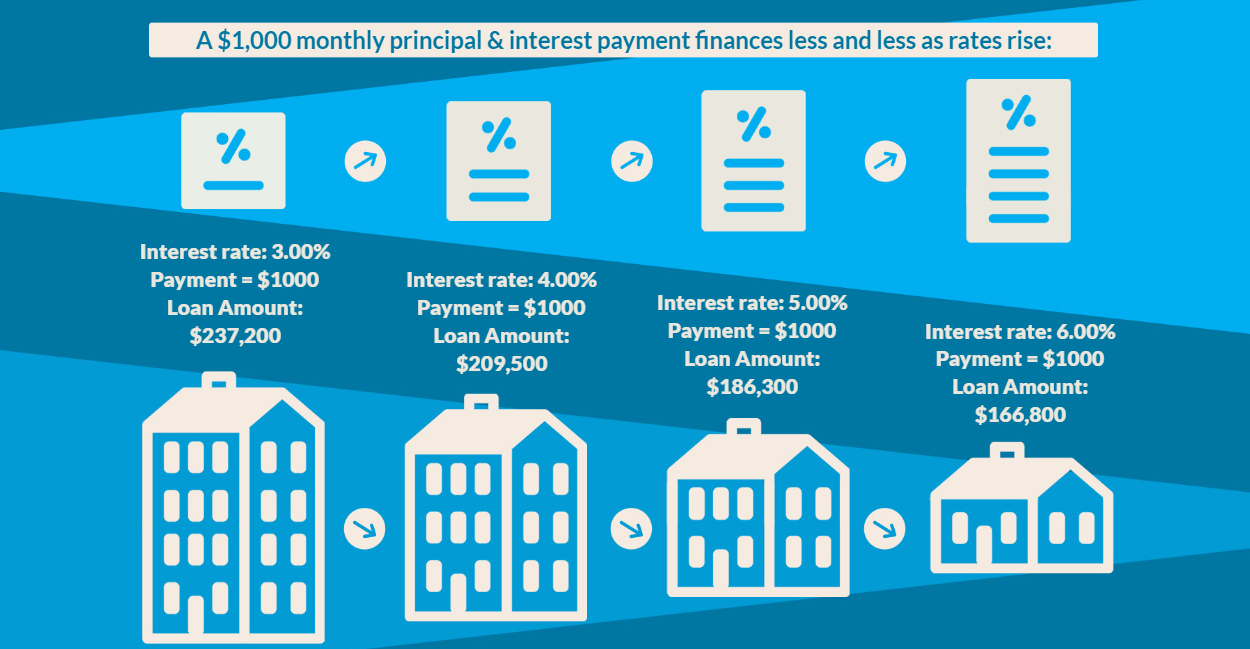
As you can see, the corresponding loan amount for a $1,000 principal and interest payment dwindles as rates increase.
Think we’ll see higher rates?
History is rife with many examples of cyclicality in rates. Many economists expect inflation and interest rates to rise significantly once the real impact of all the monetary stimulus (money printing) is realized.
Bottom Line:
Locking in a rate at today’s low levels and owning assets like real estate and other commodities may safeguard you from rising rates and prices in the future.
Reach out to explore what options might be available for you! The Greenway Mortgage team is always happy to help.




COVID hit a lot of people hard, both personally and financially. If you needed to exercise Mortgage Forbearance, here are some tips to help you get back to financial wellness.
-
Don’t Lose Hope! Forbearance is there for people who need to use that option. Conversely, do not use forbearance if you do not need it.
-
Purchasing or Refinancing a Mortgage after Forbearance is Possible. The Cares Act prevented lenders from reporting late payment histories to the credit bureaus. That said, lenders will want to see that you have been able to make your payments after the forbearance, before refinancing, or purchasing another home. Most loan programs require you to make 3 timely payments after the deferment period.
-
Options: How your Mortgage Forbearance is handled is dependent on your type of loan and lender. Lenders will review your present financial situation to see what options may work for you.
-
Modifying the loan terms through a loan modification. This may mean that a lender adds the unpaid mortgage payments to the principal owed on the mortgage or extends the term of your loan.
-
Adding a second mortgage to the property for the missed payments.
-
Requiring the borrower to make up missed payments either all at once or with an increased monthly payment over time.
-
When Getting Back on Your Feet, Focus on One Bill at a Time. For many people, this means securing their living arrangements, which is their home mortgage. Once that is achievable, then start working on your other responsibilities.
-
If You are Self-Employed, be Prepared for Additional Scrutiny! The pandemic may impact even long-established businesses, so lenders are considering fluctuations in income and the probability of continued income.
No matter your situation, Greenway Mortgage is here to answer all your questions.

It’s always been a little tougher for self-employed borrowers to obtain a home loan then it is for regular W-2 employees. And, since the COVID-19 pandemic, self-employed borrowers are now required to provide even more information to prove their income to the lender. For instance, a self-employed borrower will now need to provide a profit-and-loss statement as well as their 2 most recent months’ worth of business deposit account statements at the time of application.
Many lenders are implementing temporary eligibility requirements for self-employed borrowers based on announcements made by Fannie Mae and Freddie Mac which will remain in effect until further notice. Fannie Mae issued a lender letter in March 2020 that has since been updated several times describing new documentation requirements for self-employed loan applicants. Greenway Mortgage continues to monitor the situation to keep everyone informed and updated.
If you are self-employed and are currently looking for a mortgage, here is a checklist that you should refer to, to ensure you’ve got everything in order for a smooth mortgage process. In addition to the standard tax return requirements, the following documents must be provided:
.png)
-
Online Mortgage Applications
-
Virtual open houses are sometimes available
-
Remote appraisals
-
Unaccompanied home inspections
-
Physical closings have become rare if not impossible in some areas. Fear not, Greenway Mortgage has the ability to perform e-closings!
Have you prepped your home for winter yet? For all homeowners, prepping your home for the winter is just one of those things you can’t skip out on. We wish we meant hanging holiday lights everywhere, decorating your mantel and watching holiday movies on repeat, but there’s much more to it.
Let’s face it, winter weather can be harsh on your home. The below-freezing temperatures can cause a number of problems, including frozen pipes and roof damage. So, as the colder weather approaches, it’s important to take a few preventative measures to protect your home.
Winterizing is a task that can be done relatively inexpensively. It will also make a big difference in how comfortable your home is. In the long run, it could save you money on energy bills. In fact, many very effective home weatherproofing jobs are something that homeowners can complete without professional help.
To prevent winter harm and avoid calling a professional in the middle of a blizzard, be sure to check these winter items off your home maintenance checklist.
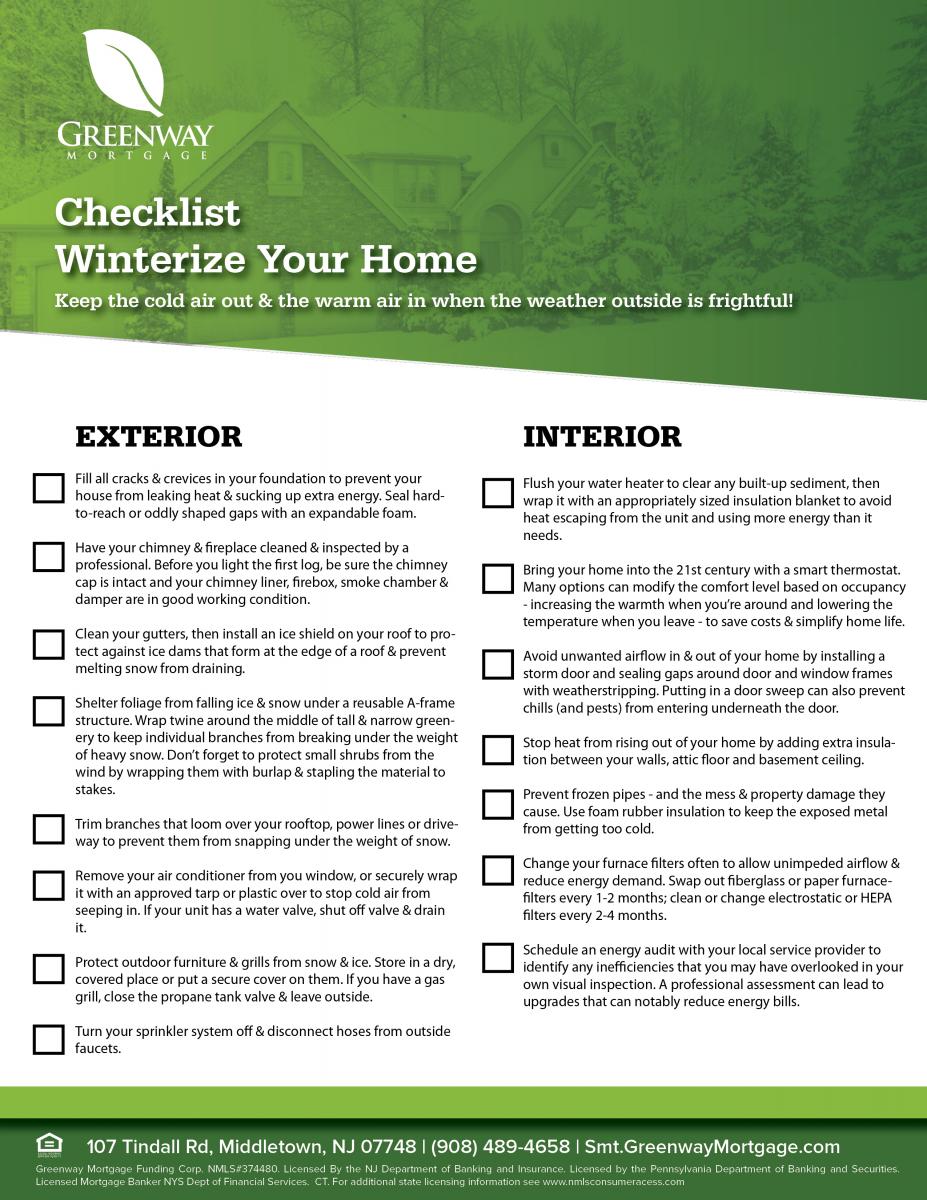
Be sure to tick these items off your list this season, and you can rest easy knowing that your home will be ready for the winter months that lay ahead!

With so many houses available today, competition is heating up among homebuyers. In fact, 55% of August 2020 home sales resulted in a bidding war AND 69% of homes sold were on the market for less than one month!
With that said, it's important to be prepared for a bidding war, especially if you've found your dream home. Being prepared means you'll be able to move quickly and confidently in today's competitive market.
Below you'll find three important tips to help you prepare for a bidding war.
Don't forget to check out our recent blog on how to write an award-winning Real Estate Offer Letter.
.png)
Some Highlights
- With so few houses available on the market today, being ready for a bidding war is essential for prospective homebuyers.
- From pre-approval to making your best offer, here are three tips to make sure you can act quickly and confidently when you find the perfect home.
- Reach out to a trusted real estate professional today to be sure you have the guidance you need as the competition for homes heats up this season.
- Reach out to Greenway Mortgage for your FREE pre-approval and for any questions you may have about the mortgage process.